
Understanding the psychological effects of gambling on decision-making behavior
The Psychological Mechanisms of Gambling
Gambling can evoke a range of psychological responses that significantly influence decision-making behavior. One of the primary mechanisms at play is the phenomenon known as the “near-miss effect,” which occurs when a player comes close to winning, leading to heightened excitement and increased betting behavior. https://dinnerecho.com/ The brain releases dopamine, a neurotransmitter associated with pleasure and reward, reinforcing the gambler’s desire to continue playing despite potential losses.
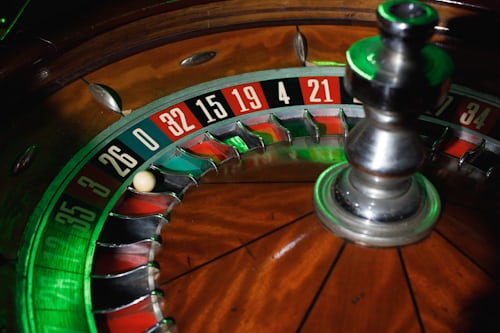
Moreover, cognitive biases such as the illusion of control play a vital role in gambling decisions. Gamblers may believe they have the ability to influence the outcome of games that are fundamentally random, leading to overconfidence in their betting choices. This misguided belief can lead to poor financial decisions and persistent gambling behavior, even when faced with negative outcomes.
The Role of Emotions in Gambling Behavior
Emotions significantly affect how individuals approach gambling situations. For instance, feelings of excitement, hope, or even stress can cloud judgment and lead to impulsive betting decisions. When a player is in a heightened emotional state, they may overlook rational decision-making processes, opting instead for more risk-taking behaviors that can result in detrimental financial consequences.
Furthermore, the emotional rollercoaster associated with gambling—ranging from euphoric wins to devastating losses—can create a cyclical pattern of behavior. This cycle often results in chasing losses, where gamblers increase their stakes in hopes of recovering their previous losses, further compounding their emotional distress and impairing their judgment.
The Influence of Environment on Gambling Choices
The environment where gambling occurs can significantly shape decision-making behavior. Factors such as the design of a casino, the presence of other players, and even auditory cues like sounds of winning can amplify excitement and trigger impulsive decisions. This environment can lead players to feel more compelled to gamble, often disregarding their financial limitations.
Additionally, the rise of online gambling platforms like Pinco Casino has introduced new elements to decision-making. Players may feel a sense of anonymity, leading to riskier behaviors compared to traditional gambling settings. The ease of access to online casinos can lead to impulsive decisions, where players bet without fully considering the potential consequences of their actions.
The Impact of Cognitive Dissonance on Gamblers
Cognitive dissonance is a psychological phenomenon that occurs when individuals hold conflicting beliefs or attitudes, particularly in the context of gambling. Gamblers may rationalize their losses to maintain a positive self-image, leading them to make further bets in the hope of reversing their fortunes. This dissonance can significantly impact their decision-making, often resulting in a continued cycle of betting despite negative outcomes.
This internal struggle can make it challenging for individuals to recognize when their gambling behavior becomes problematic. As they attempt to reconcile their actions with their self-perception, they may continue to gamble in ways that are detrimental to their financial stability and mental health.
Discovering Responsible Gambling at Pinco Casino
Pinco Casino offers a secure platform for Canadian players to enjoy a variety of gambling options while promoting responsible gaming practices. Understanding the psychological effects of gambling can help players make informed decisions and foster a healthier relationship with gambling activities. By providing resources and support, Pinco Casino Canada aims to empower players to engage in gambling responsibly.
The casino’s commitment to user-friendly navigation and comprehensive support ensures that both new and experienced players can enjoy their gaming experience without compromising their well-being. Players are encouraged to take advantage of tools that help them manage their gambling habits, making informed choices that prioritize their mental and financial health.